
Imagine your phone dying precisely when you need it most, such as during a crucial call or while navigating a packed city. This widespread annoyance underscores the need for a reliable charging solution.
Sadly, finding a trustworthy charging brick can be difficult these days, as the market is flooded with counterfeit or inferior chargers that may seriously damage mobile phones and other electronics. So, what’s the best affordable 20W charger providing reliable performance?
Baseus has made a mark in the accessories market recently, and I have consistently used their products. Although some might say that more expensive chargers, like those from Anker, are better, my experience does not support that view.
The Baseus 20W charger is among the fastest and most dependable I’ve tested in a while, and in this review, I’ll assess whether it’s the top budget charger currently available.
To evaluate this, I’ll consider key criteria: speed, compatibility, portability, durability, and user experience. These factors align with those in professional tech reviews and will help determine whether this charger stands out in a crowded market.
What’s in the box
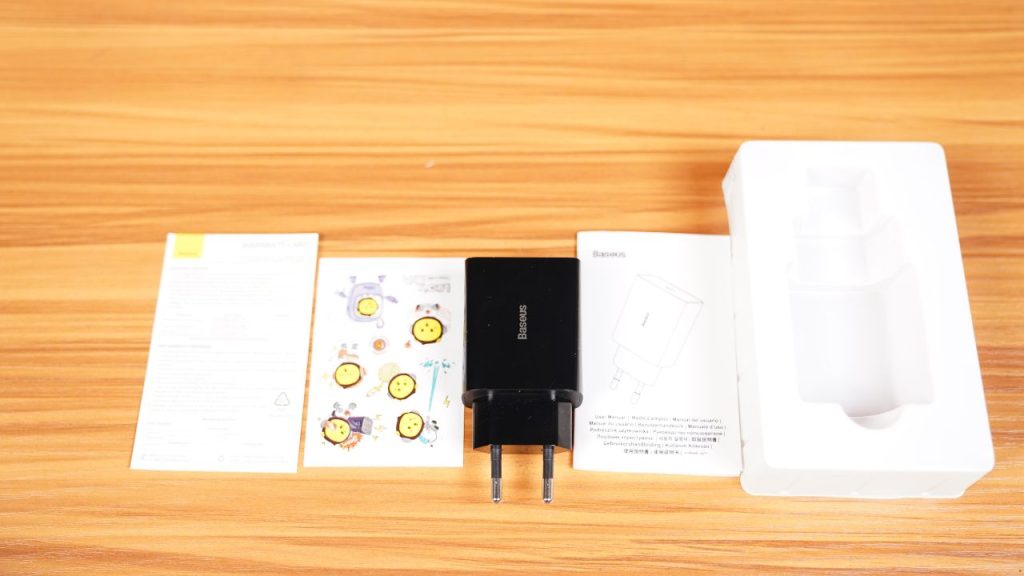
In the box, you get the Baseus 20W charger, an owner’s manual, and the classic Baseus sticker.
Charging speed
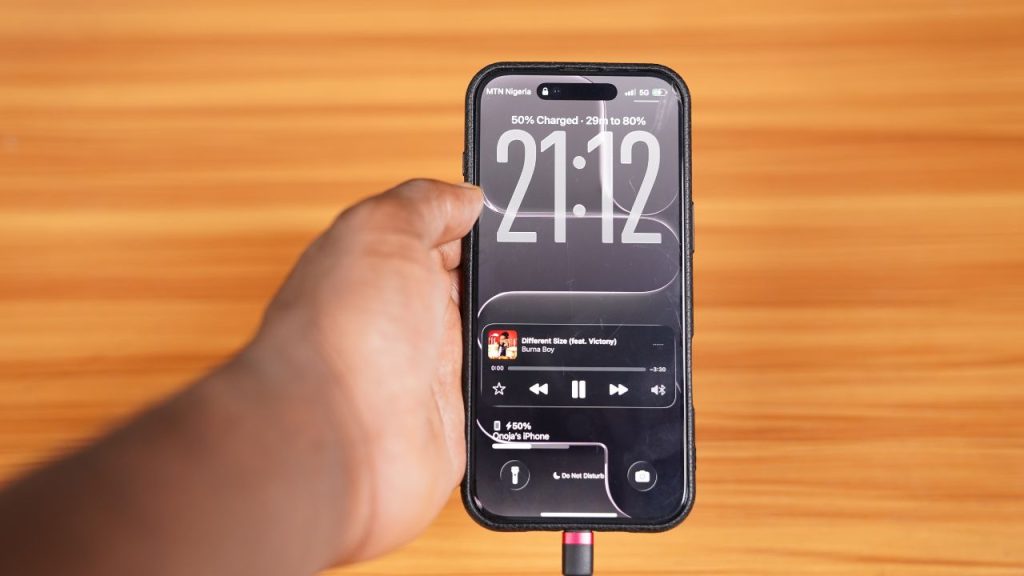
You’ll find many fast chargers, but the Baseus 20W sets itself apart with an impressive 20W output. It charges a phone from 0% to 50% in just 25 minutes, according to industry standards. The charger uses a 20W PD profile with 9V/2.22A output, offering authoritative specs for comparison. During use, I observed how quickly it powered all my devices—phones, earbuds, and power banks.
During charging tests, my iPhone Air reached approximately 2–80 percent in around 40 minutes using the Baseus 20W charger. Meanwhile, my iPhone 12 Pro Max charged from 10 to 80 percent in about 35 minutes. These results highlight the charger’s speed. No decline in battery health was observed during use, despite frequent fast charging on both devices.
To provide context, in a previous review, I covered the Baseus 65W charger and tested it. In comparison, the 20W charger delivered similar results. Its performance was so impressive that I began to question the 65W rating on the other charger. This surprising result may stem from differences in charging protocol efficiency.
For example, PPS (Programmable Power Supply) adjusts power in real time, while fixed PD (Power Delivery) uses set levels. The Baseus 20W can optimize charging performance that rivals some higher-wattage chargers.
Charging my power banks was also notable. I fully charged a 20,000 mAh power bank in under 15 hours using the Baseus 20W. Compared to an average low-power charger that can take up to 48 hours to deliver the same capacity, this demonstrates how a consistent 20W output can reduce charging time for large batteries.
Compatibility
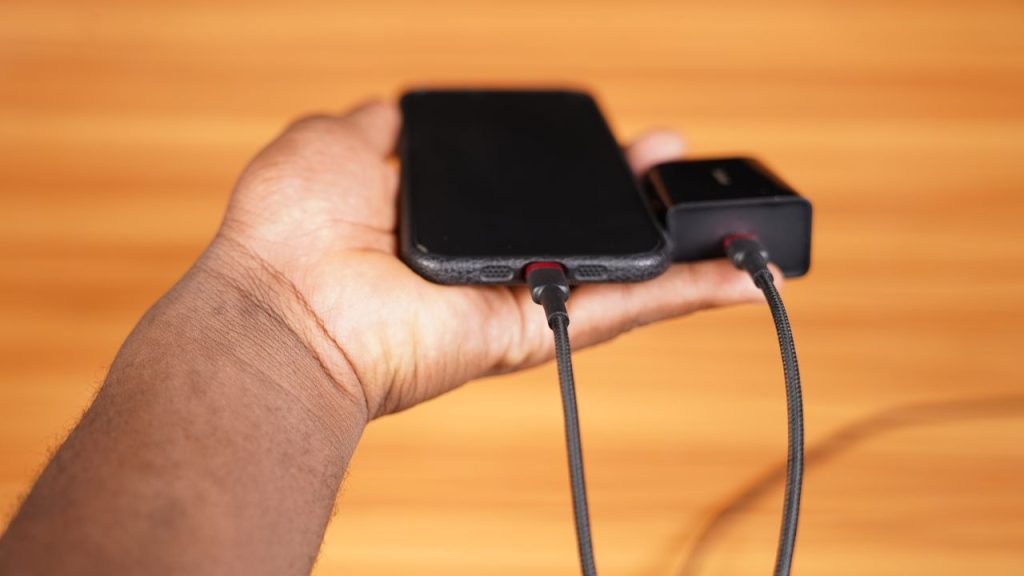
Many branded charging bricks today are designed specifically for iPhones or primarily for Samsung devices, but the main question is whether the Baseus 20W charger is compatible with both iPhone and Samsung models.
It follows the USB Power Delivery (USB PD) version 3.0 charging protocol, which is used by both Apple and Samsung on their latest devices. This ensures the Baseus charger can safely and efficiently charge a wide variety of devices from these brands.
You can use the Baseus charger to power phones, earbuds, cameras, and gaming controllers. Its fast, dependable performance makes it my go-to for nearly everything.
To give added context, I tested this charger with a Pixel 9 Pro (which only supports standard USB-C charging speeds), my iPhone Air, iPhone 12 Pro Max, a 20,000 mAh power bank, and Sony camera batteries using a Sony battery charger. Each device charged as expected, with no issues related to its individual charging requirements.
If you want a multipurpose, reliable charger, consider the Baseus 20W. It can charge nearly any device.
Ports
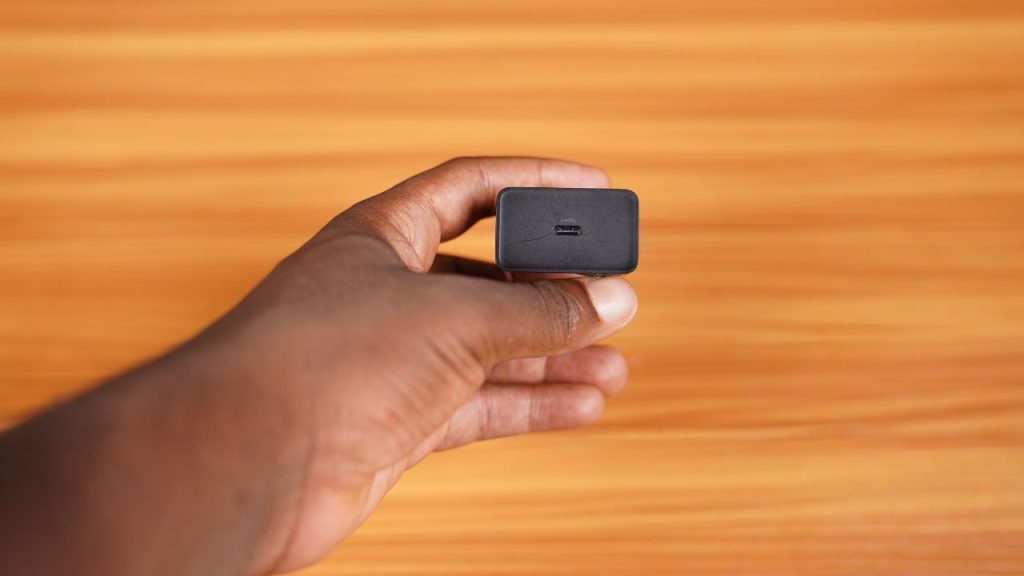
The Baseus 20W charger comes with one USB-C port that supports USB Power Delivery. USB-C technology enables faster power transfer and is the current standard for most modern smartphones and other electronics, making the charger compatible with most up-to-date devices.
While a dual-port charger like the 65W GaN model or one featuring both USB 3.0 and USB-C ports like my old 35W charger would offer versatility, I no longer find them necessary, since nearly all modern devices now use USB-C.
That said, there are still users, like photographers with older camera models or smartwatch owners, who could benefit from a USB-A port. Recognizing their needs, a charger that accommodates both port types could enhance convenience.
Durability
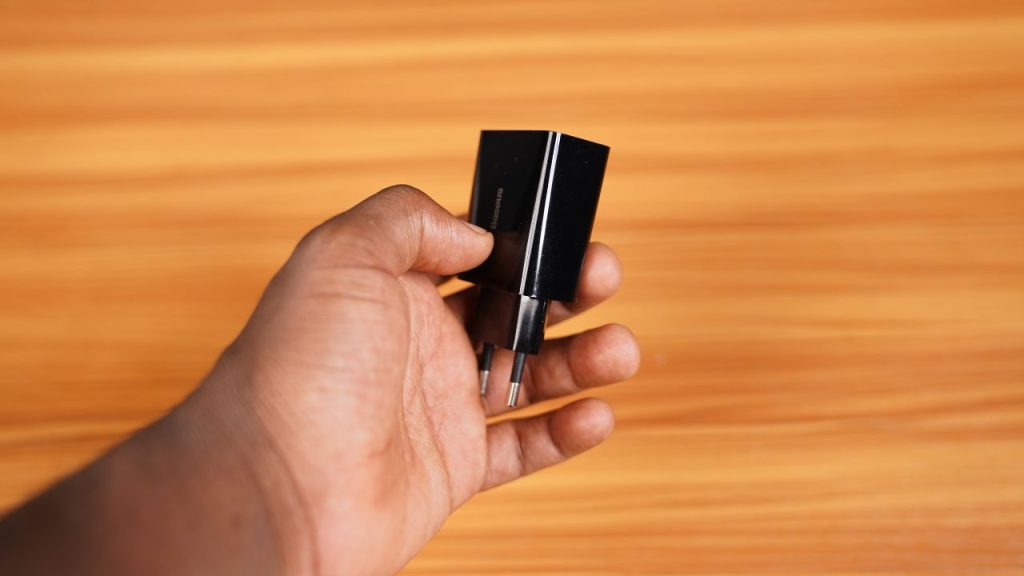
Baseus has always been known for high-quality materials in its products. I even have a Baseus earbud I’ve been using since 2022, and it still works very well. Regardless, the Baseus 20W GaN charger is made from high-quality plastic, and it’s very durable.
The only downside is its two-pin plug, which may bend over time. Still, it is more durable than regular chargers.
This charger has been used over an extended period and continues to perform reliably.
Portability
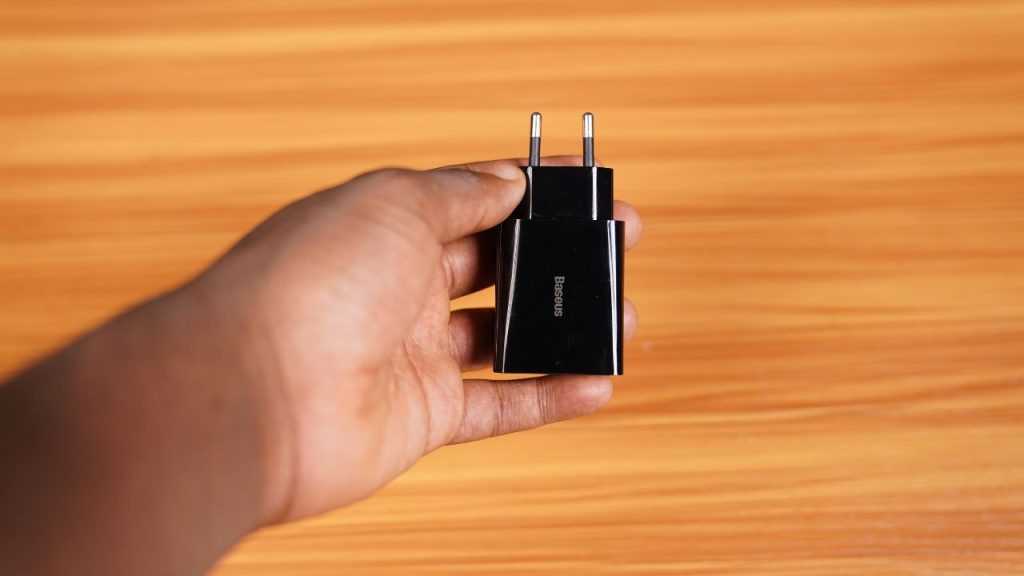
If you need to carry a charger everywhere, this is ideal, as it slips easily into pockets or handbags.
I often carry my charger for events outside the home; however, bringing along a GaN charger or power bank can be inconvenient. The Baseus 20W charger provides a practical solution.
You can take this charger anywhere without worrying about bulk. It occupies minimal space.
User experience
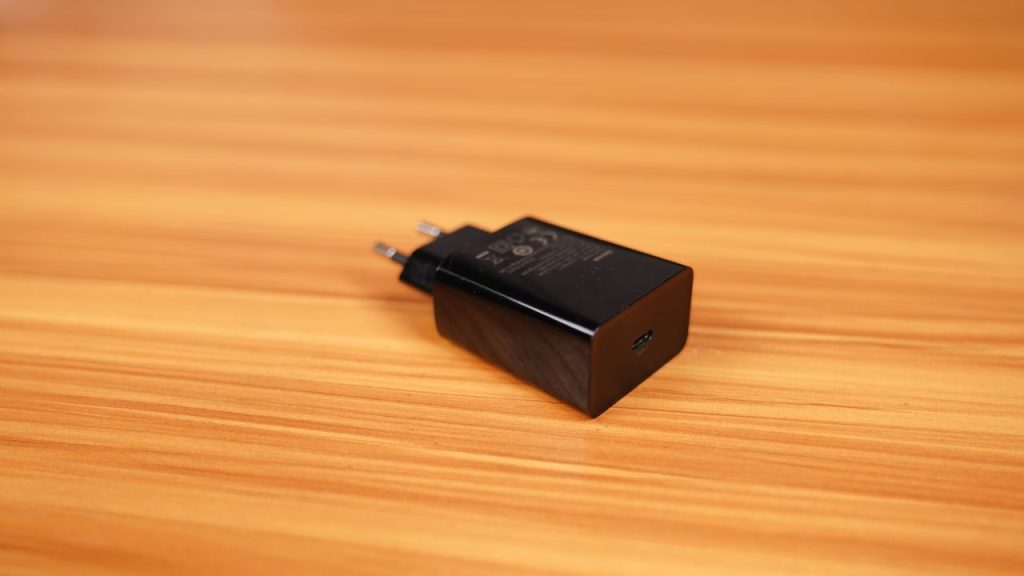
Overall, the Baseus 20W delivers an excellent user experience. Its compact size makes it portable, and it charges devices quickly. This product further strengthens Baseus’s reputation as a reliable brand.
Combining impressive speed, compatibility, and a durable design, the Baseus 20W is a top choice for those seeking a budget-friendly, reliable fast charger.
Compared to the 65W GaN, this charger performs equally well, efficiently charging a range of devices quickly.
Pros and cons
Pros of the Baseus 20W Charger
Very fast charging for a 20W brick.
Delivers real-world speeds, reaching up to 80 percent in around 35 to 40 minutes on iPhones.
Excellent budget value.
Offers near-flagship charging performance at a much lower price compared to premium brands like Anker.
Wide device compatibility.
Works seamlessly with iPhones, Samsung phones, Google Pixel devices, earbuds, power banks, camera batteries, and gaming controllers.
Consistent and stable output.
Charging is reliable across different devices, with no random slowdowns or overheating.
No noticeable battery health degradation.
Despite fast charging, no long-term drop in battery health was observed.
Compact and highly portable.
Small enough to fit into pockets or handbags, making it ideal for travel and outdoor gigs.
Solid build quality.
Feels sturdier than most generic chargers on the market and better built than many low-cost alternatives.
USB-C port standardization.
Single USB-C port aligns well with modern devices and reduces the need for legacy cables.
Multipurpose daily charger.
It can replace most home chargers thanks to its flexibility and reliability.
Cons of the Baseus 20W Charger
Single charging port only.
Lacks a second port, which limits the ability to charge multiple devices at the same time.
Two-pin plug design.
The prongs can bend over time, especially with frequent travel or rough handling.
Not ideal for laptops or power-hungry devices.
While powerful for phones and accessories, it cannot fully replace higher-wattage chargers like the 65W GaN models.
No USB-A fallback port.
Users with older cables or legacy devices may need adapters or new cables.
Conclusion
If you seek a dependable and budget-friendly fast charger, you can confidently consider the Baseus 20W. It offers consistent reliability and rapid charging for under $15, making it a leading choice in its price range.
Instead of choosing more expensive brands like Anker, the Baseus 20W charger stands out for strong performance at a fraction of the cost. This charger is a trustworthy and high-performing option.