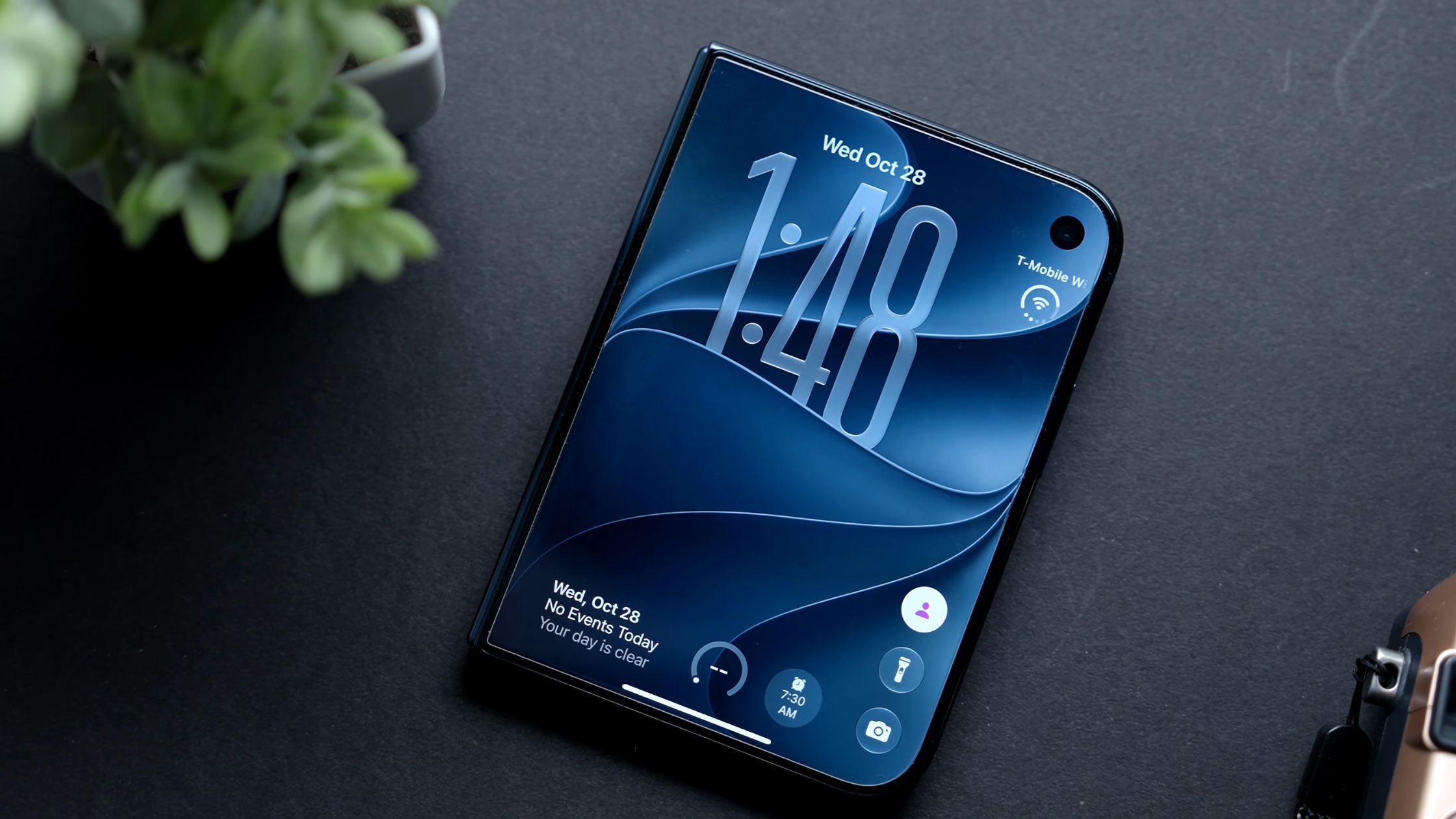
Are you thinking about spending $2,000+ on Apple’s first foldable smartphone? The iPhone Duo is easily one of the most fun iPhones I’ve used in years, packing Apple’s signature build quality into a dual-screen design. However, after spending 30 days using it as my daily driver, three real-world dealbreakers convinced me to walk away.
In this review, I’ll break down my one-month experience with the iPhone Duo—covering comfort, camera performance, app optimization, Touch ID friction, and whether it makes more sense to buy the iPhone 18 Pro instead.
Comfort and Design: Heavy and Awkward After the iPhone Air
Most people underestimate how much physical comfort matters until they switch between two extremes. Before moving to the iPhone Duo, I spent a year using the iPhone Air—the thinnest and lightest iPhone ever made. That lightweight form factor made every traditional phone feel like a brick afterward, making the jump to the Duo especially jarring.
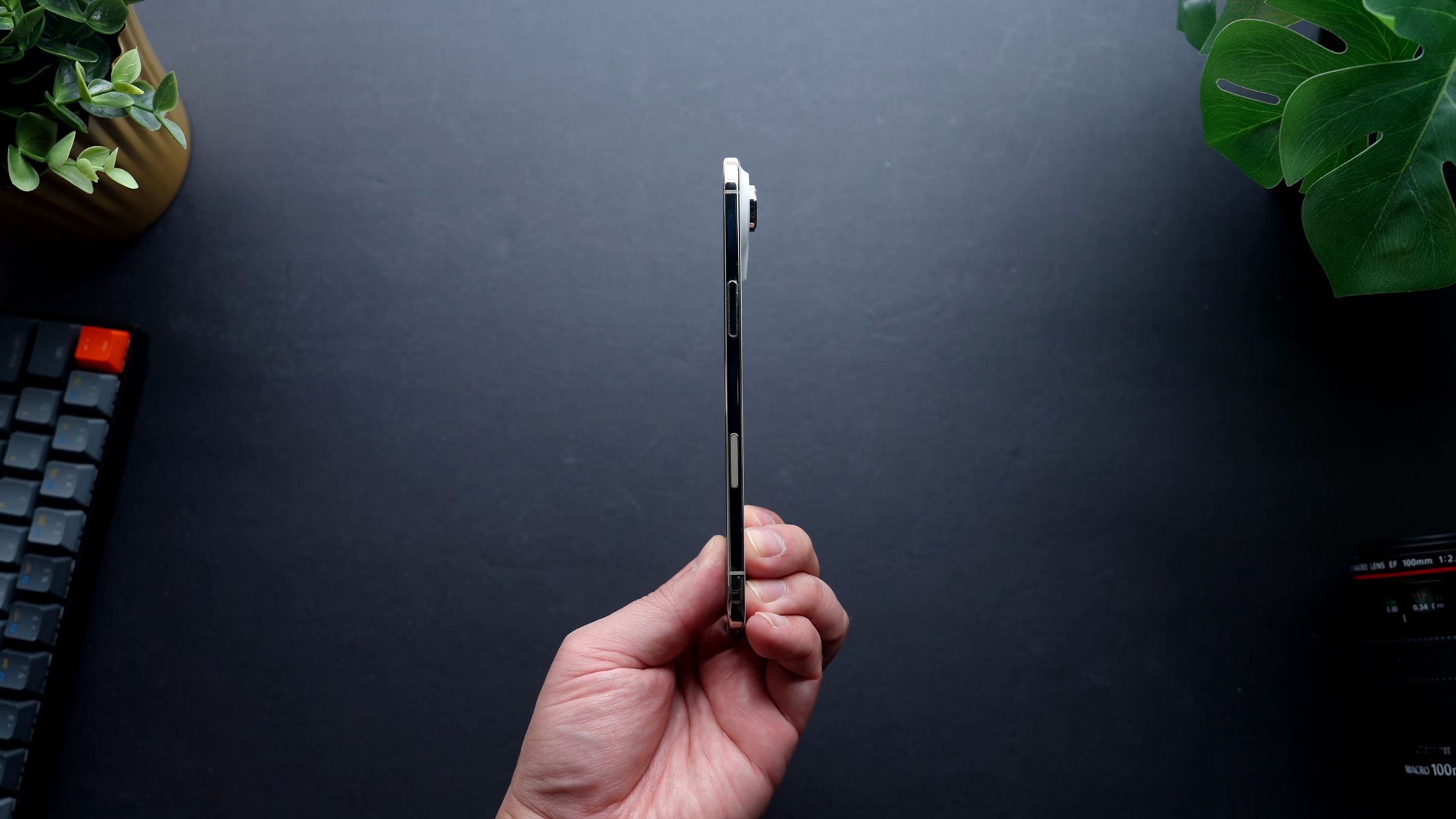
While the iPhone Duo feels undeniably premium and well-built, carrying and holding it all day quickly becomes a chore:
- Folded use feels bulky: Because the phone is noticeably thicker, heavier, and wider than a regular iPhone, holding it one-handed while closed gets tiring fast.
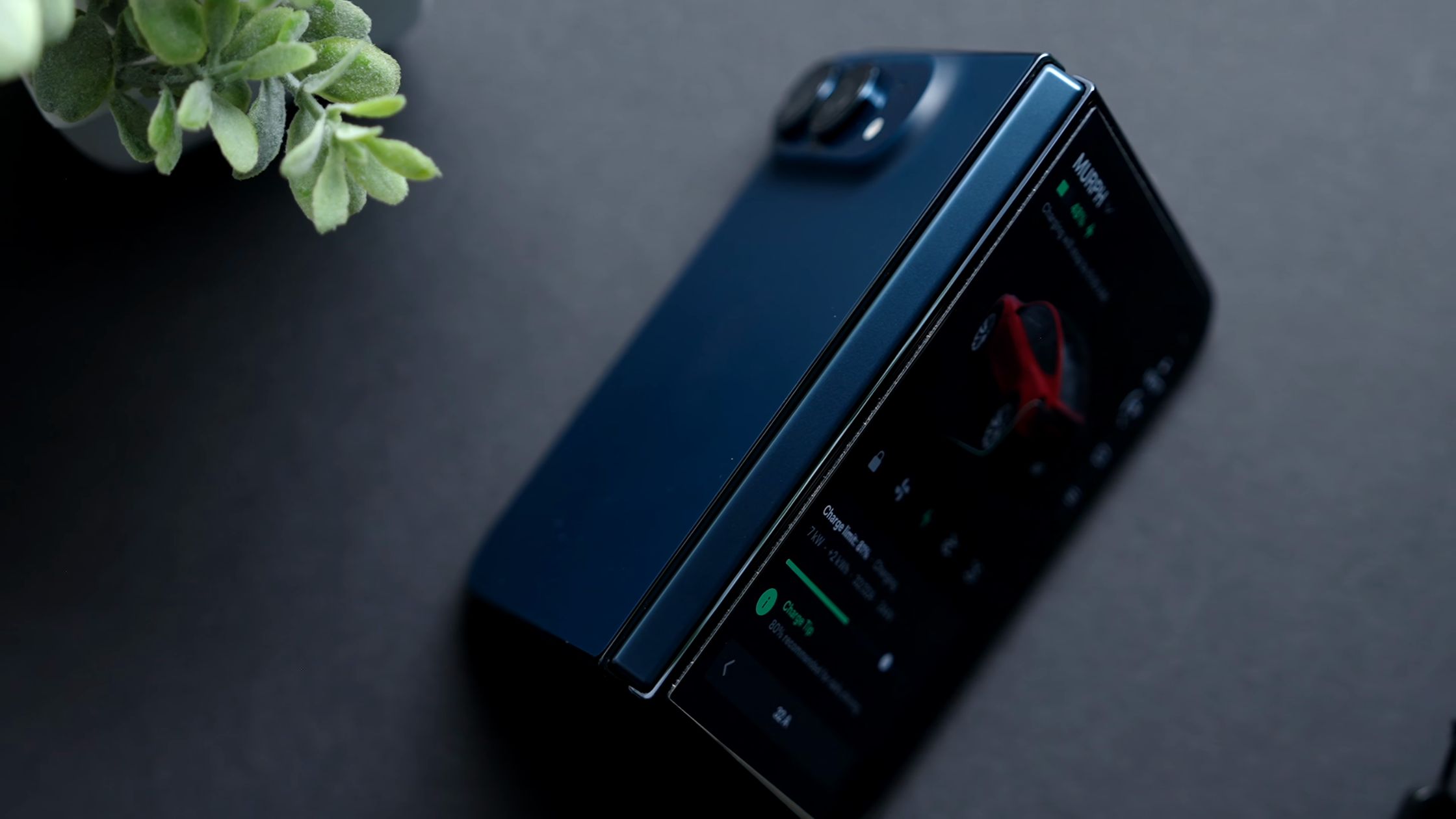
- Unfolded use requires two hands: Opening the Duo makes it thinner and more comfortable—closer to a mini iPad—but it forces a two-handed grip. That works great when sitting on a train or couch, but it’s frustrating when you’re walking or trying to check something quickly on the move.
Camera Quality: Noticeable Dip in Low Light
To keep the foldable form factor manageable, Apple had to make a few hardware compromises, starting with the cameras.
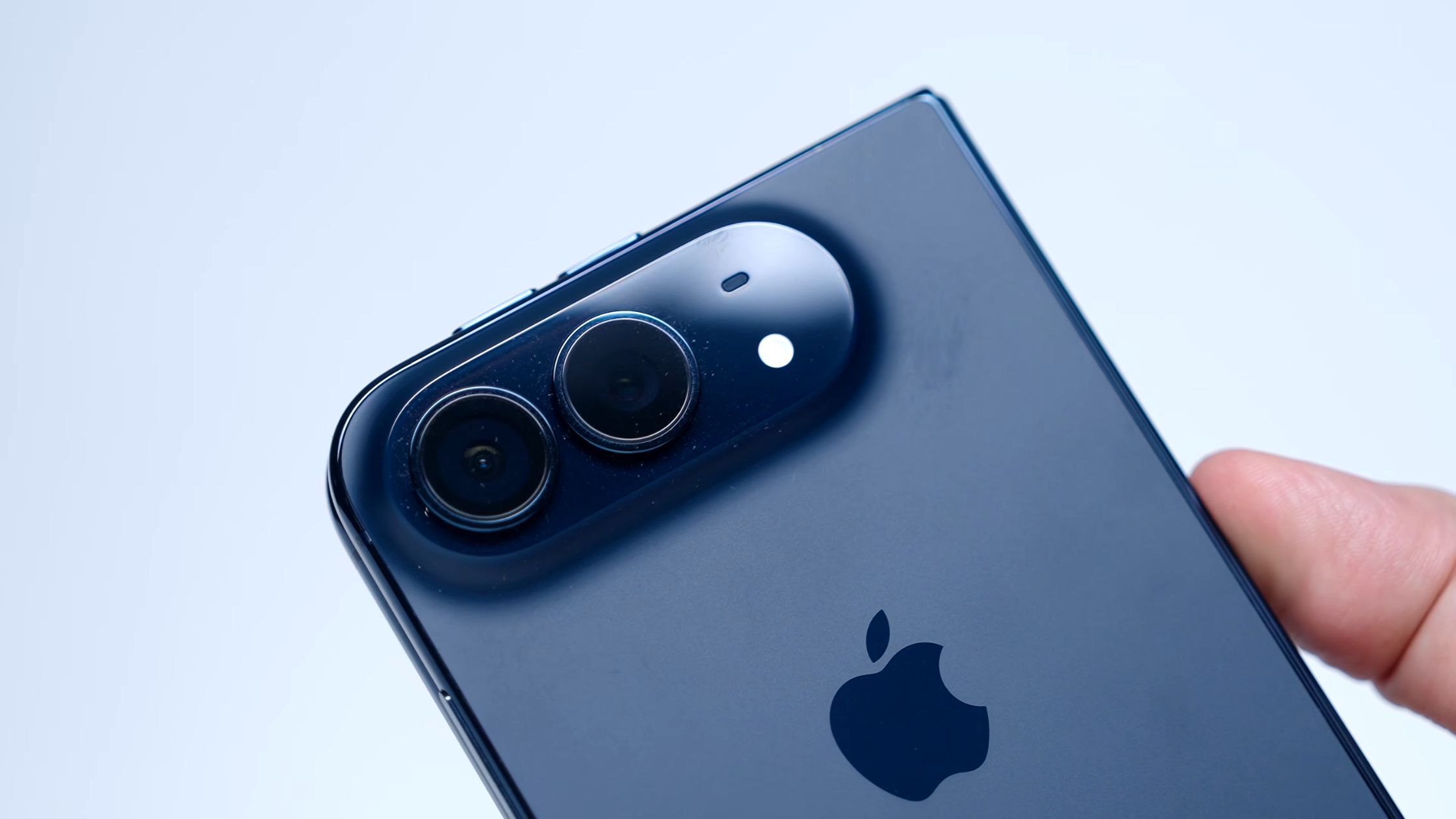
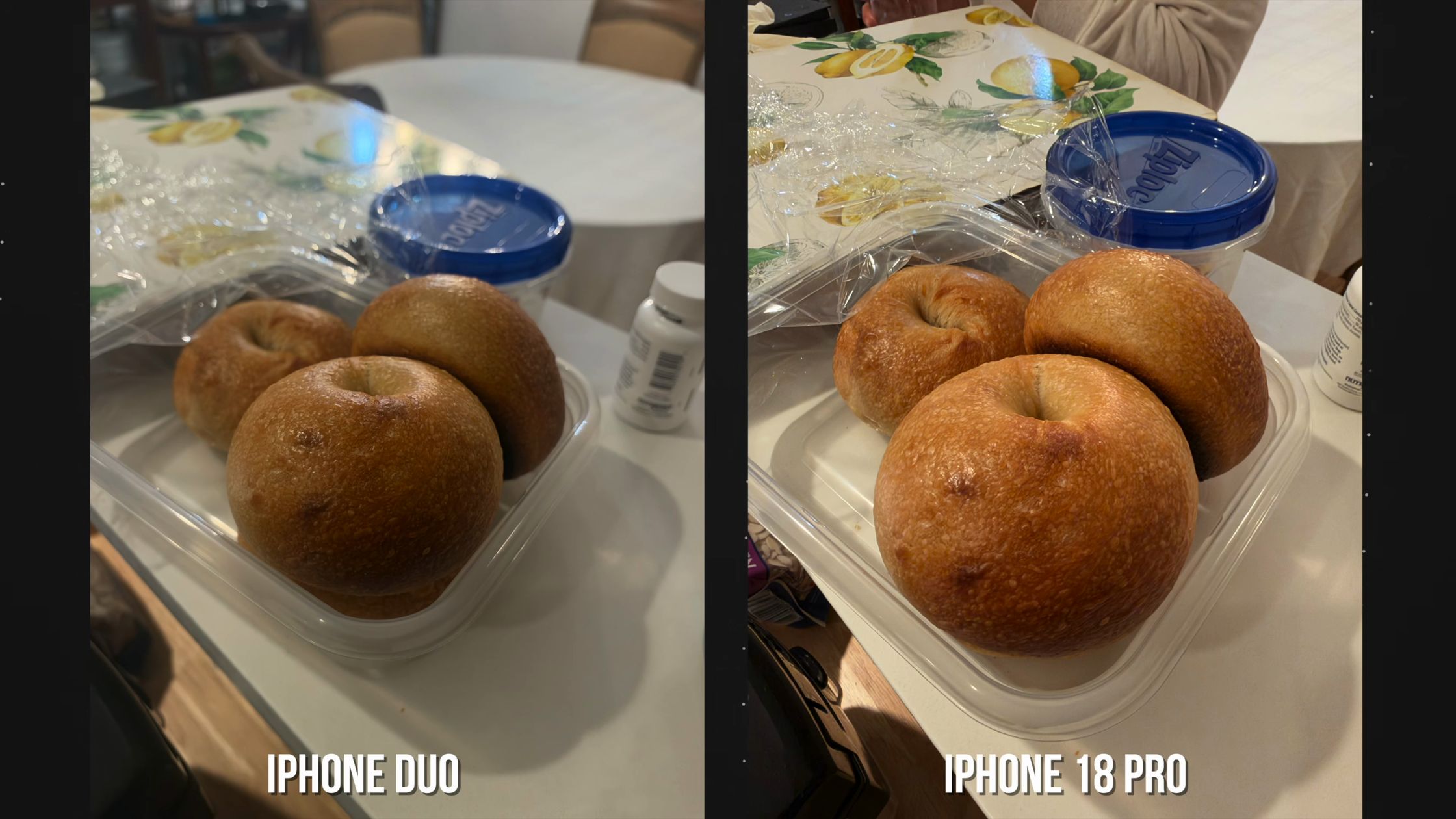
The iPhone Duo features a 48 MP main camera, though the sensor is noticeably smaller than the one inside the iPhone 18 Pro. In bright daylight, photos look sharp and closely match the 18 Pro. Once the lighting drops, however, image noise creeps in quickly, and shooting in the dark becomes rough. It is a decent camera system for a foldable, but clearly a step down from Apple’s flagship slab phones.
Display and App Optimization: Too Much Wasted Space
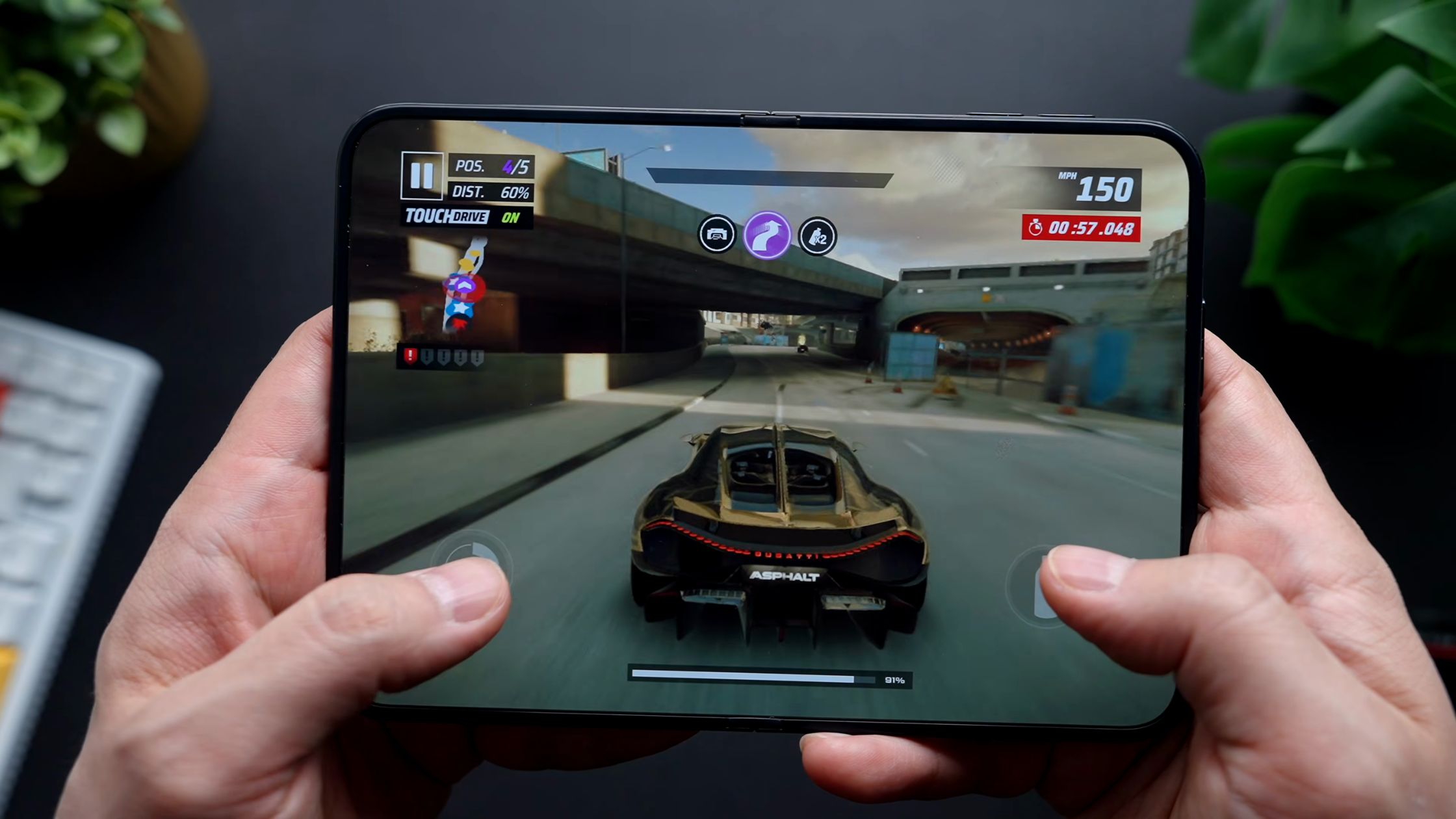
Because the iPhone Duo uses a wider aspect ratio, Apple adjusted parts of iOS—including moving the dock to the side when folded, where you are capped at just four apps despite having extra room.
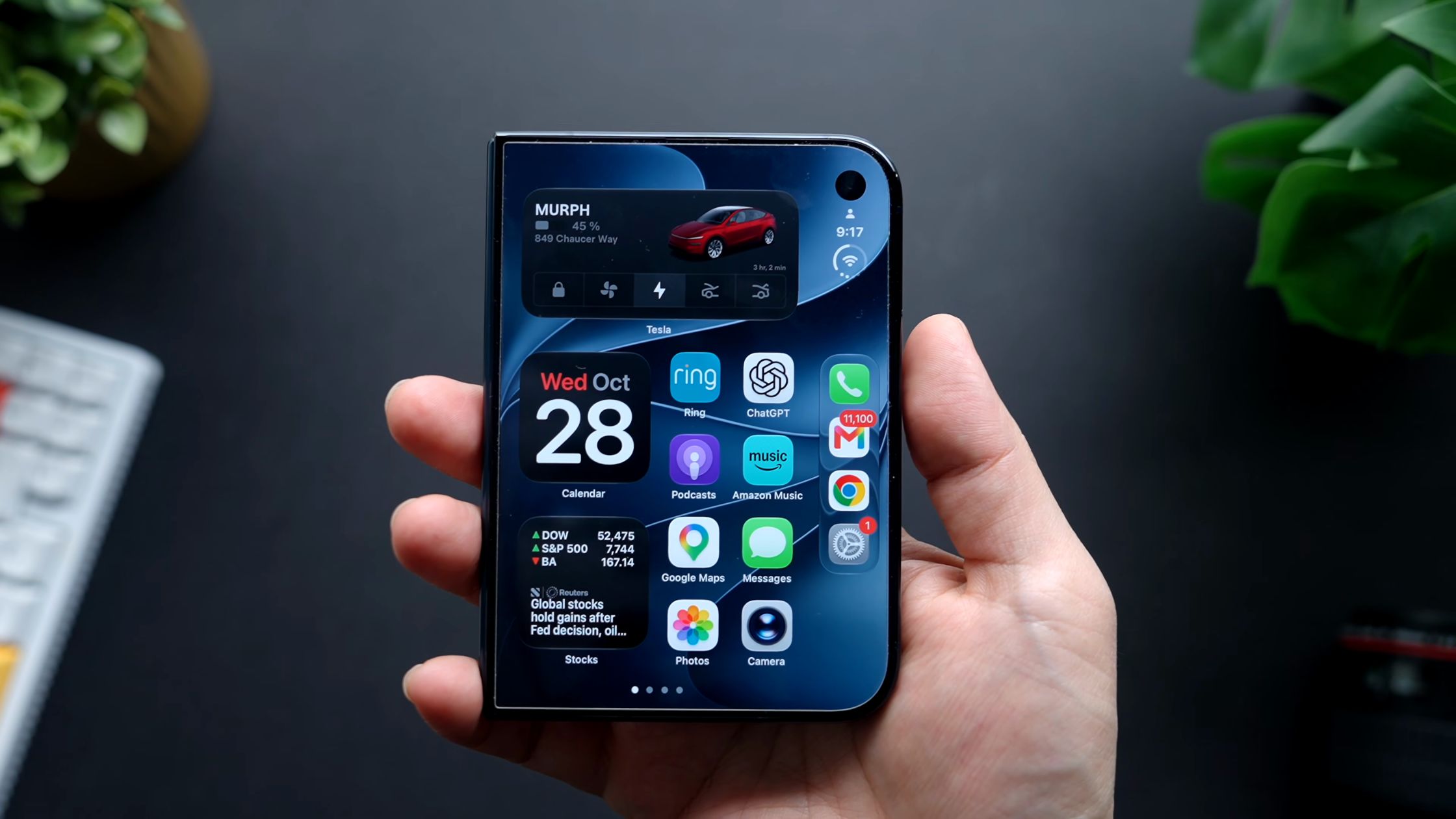
More annoying is how everyday apps behave on both screens:
- Unoptimized apps leave blank space: While apps like Threads take advantage of the wider layout, plenty of third-party apps leave large, awkward empty areas on the right side of the screen.
- Vertical video doesn’t fit: Platforms built around 9:16 vertical video—like TikTok and Instagram—leave massive black bars on both the cover display and the unfolded inner screen, even when rotated 90 degrees.
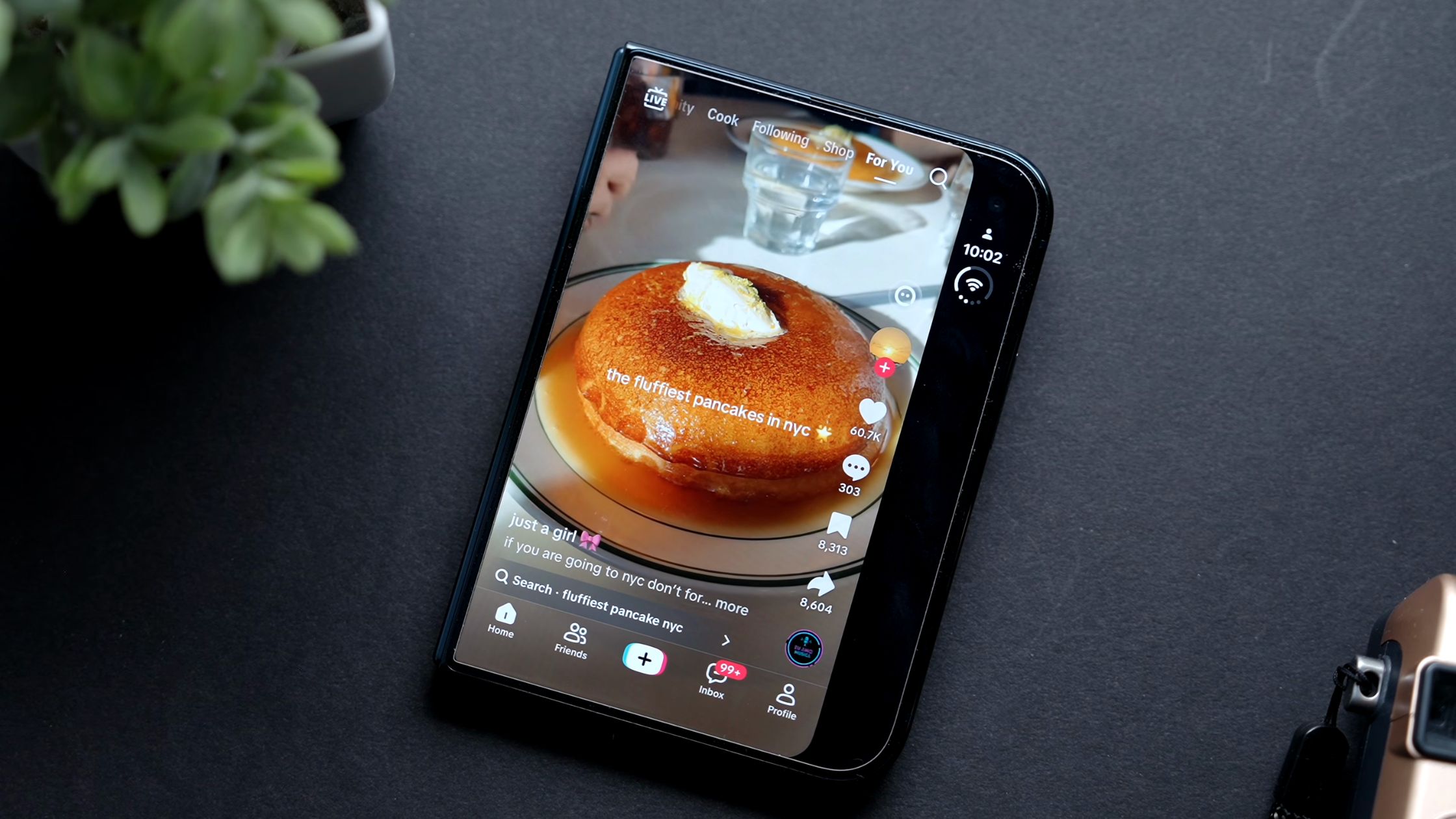
Instead of getting an immersive, edge-to-edge viewing experience, you spend a lot of time staring at unused screen real estate.
Everyday Friction: No Face ID and the “Unfolding Tax”
The biggest reason I’m done with the iPhone Duo comes down to daily friction. Smartphone makers have spent years removing extra steps between picking up your phone and getting things done, and the Duo feels like a step backward in two ways.
Touch ID Replaces Face ID
Unlike standard flagship iPhones, the iPhone Duo does not ship with Face ID. Instead, it relies on a Touch ID sensor built into the side button. (Apple is expected to roll out a software-based face unlock update soon, which may help, though it won’t replace true hardware Face ID.)
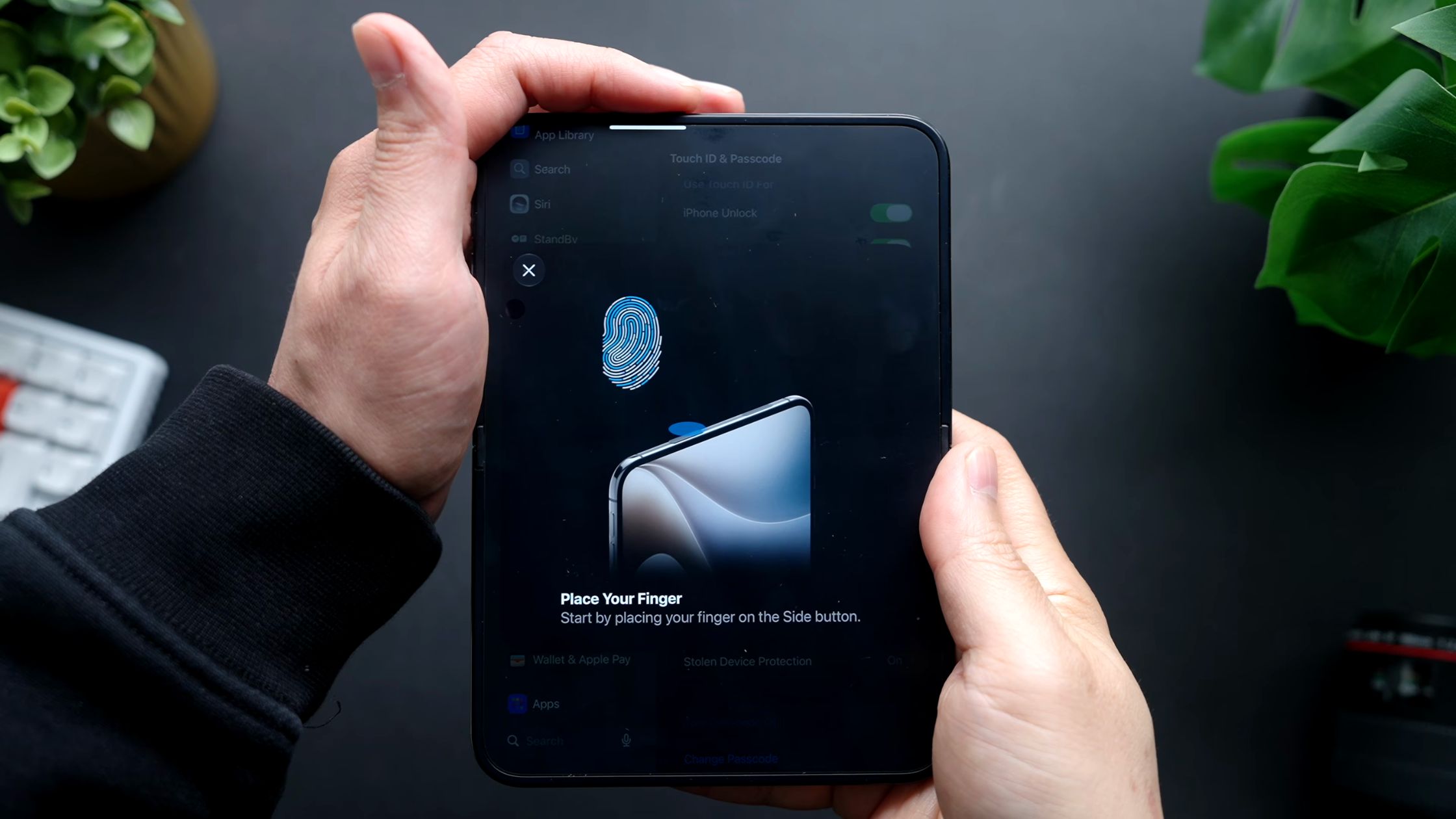
Going back to Touch ID after years of effortless Face ID feels clunky:
- Because you hold a foldable in different orientations throughout the day, reaching the small side sensor isn’t always natural.
- You have to register multiple fingers across both hands just to unlock the phone reliably.
- Unlocking takes noticeably longer than simply glancing at the screen and swiping up.
The Core Flaw of Foldable Phones
The main draw of any foldable is the big inner display—but the price of admission is having to physically unfold the device every time you want to use it. Having to pause, authenticate with Touch ID, unfold the screen, and adjust your grip adds real friction to quick, everyday tasks.
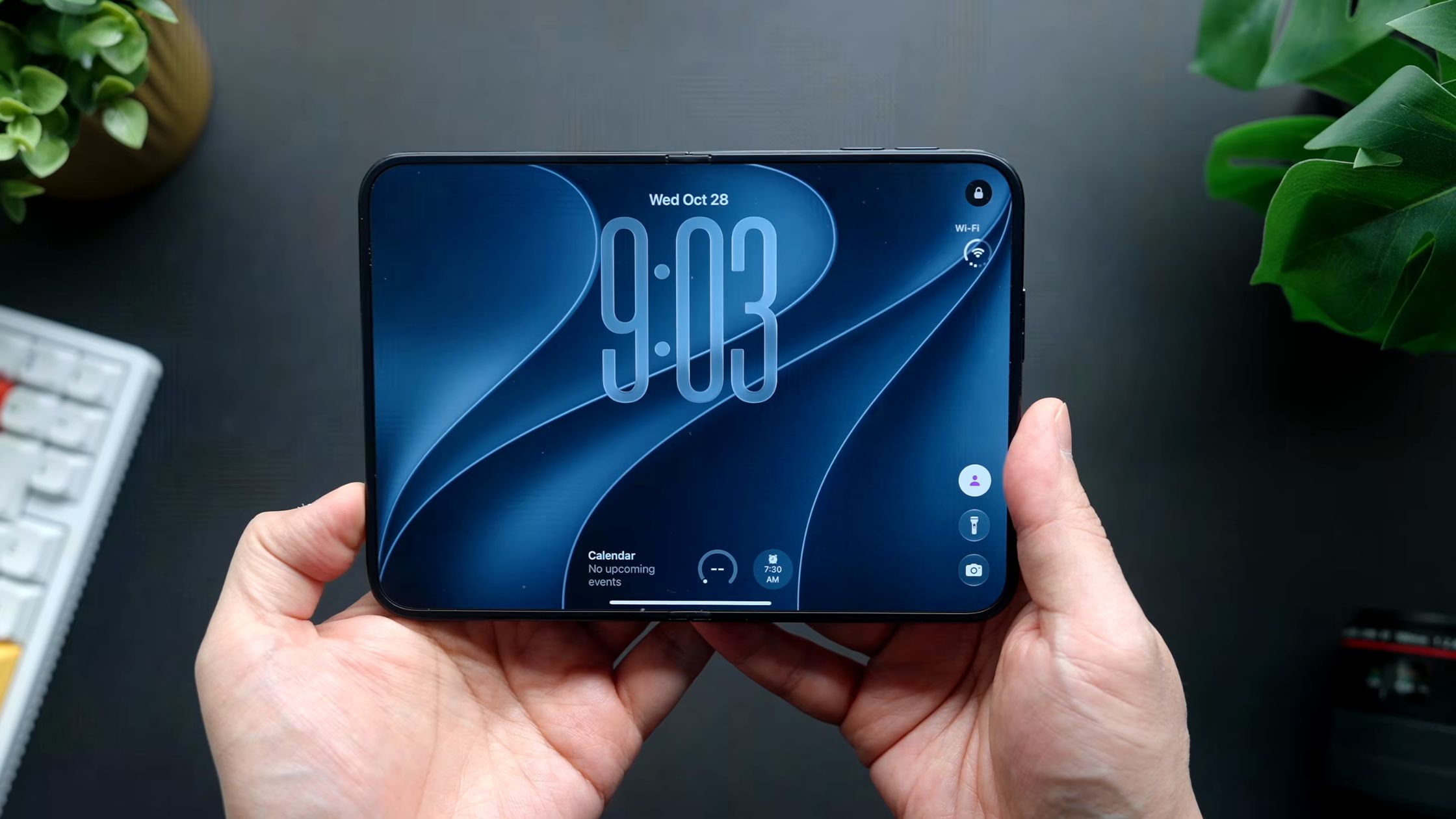
That extra effort makes sense if the inner screen delivers an experience you simply cannot get on a regular phone. In practice, though, most daily tasks aren’t dramatically better enough to justify the hassle—which is why most foldable owners default to using the smaller outer screen most of the time.
iPhone Duo: Pros and Cons
| Pros | Cons |
|---|---|
| Premium, durable Apple build quality | Heavy, wide, and tiring to hold one-handed |
| Fun, mini-tablet inner screen when seated | Uses side-mounted Touch ID instead of Face ID |
| Strong daylight photos from the 48 MP camera | Noticeable image noise in low-light photography |
| Select apps (like Threads) adapt well to the wider screen | Large black bars on 9:16 vertical videos (TikTok, Instagram) |
| Starting price of $2,000+ is tough to justify |
Price and Verdict: Should You Buy the iPhone Duo?
Starting at $2,000+, the iPhone Duo asks you to pay a steep premium while compromising on comfort, low-light cameras, and fast unlocking—only to spend most of your day using a cramped cover screen anyway.
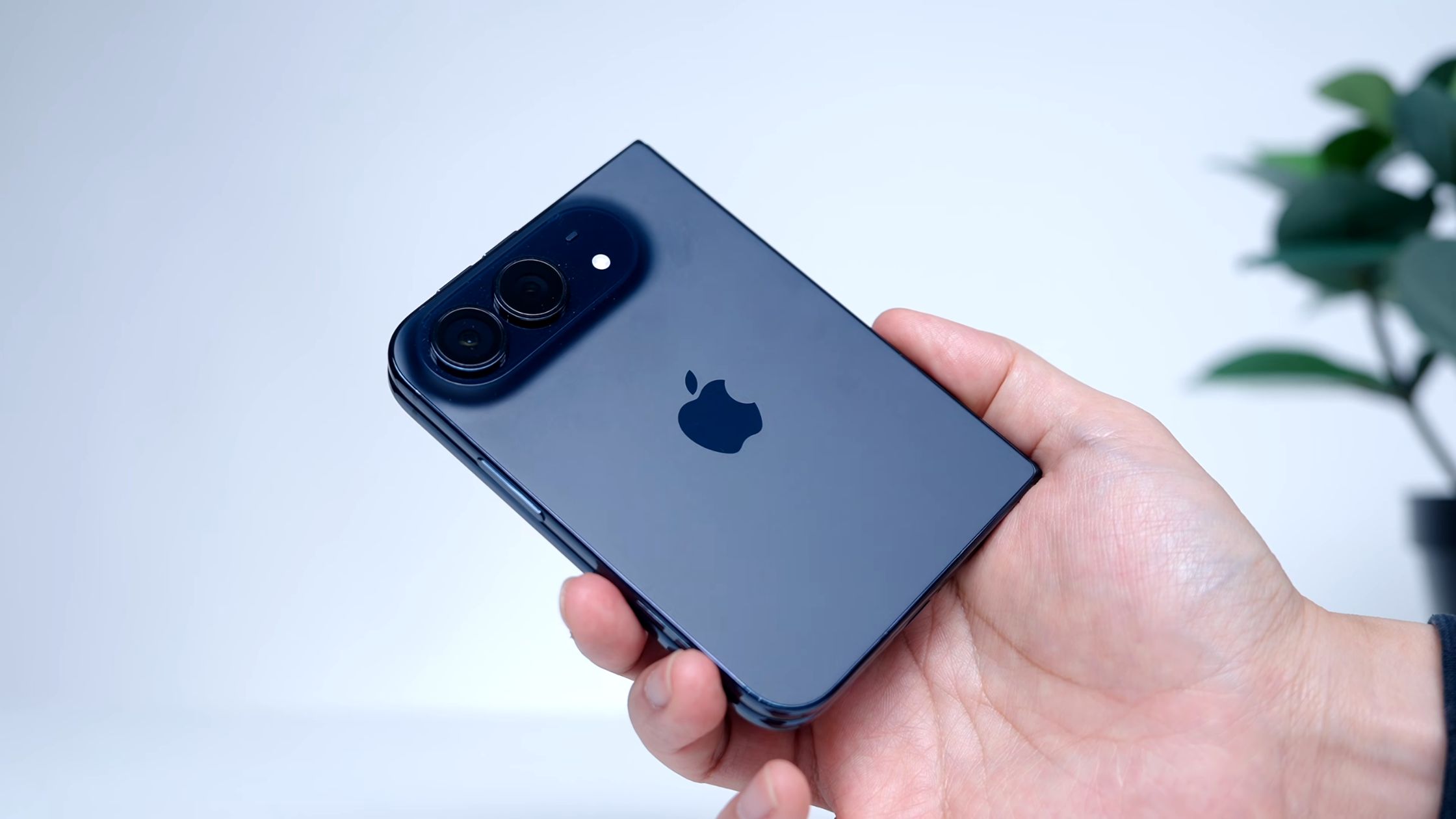
For most people, convenience, speed, and familiarity beat having a larger display locked behind extra steps. Unless you specifically want a pocketable mini-tablet for stationary multitasking, the iPhone 18 Pro (or the ultra-light iPhone Air) is the smarter, easier phone to live with every day.
Leave a Reply